

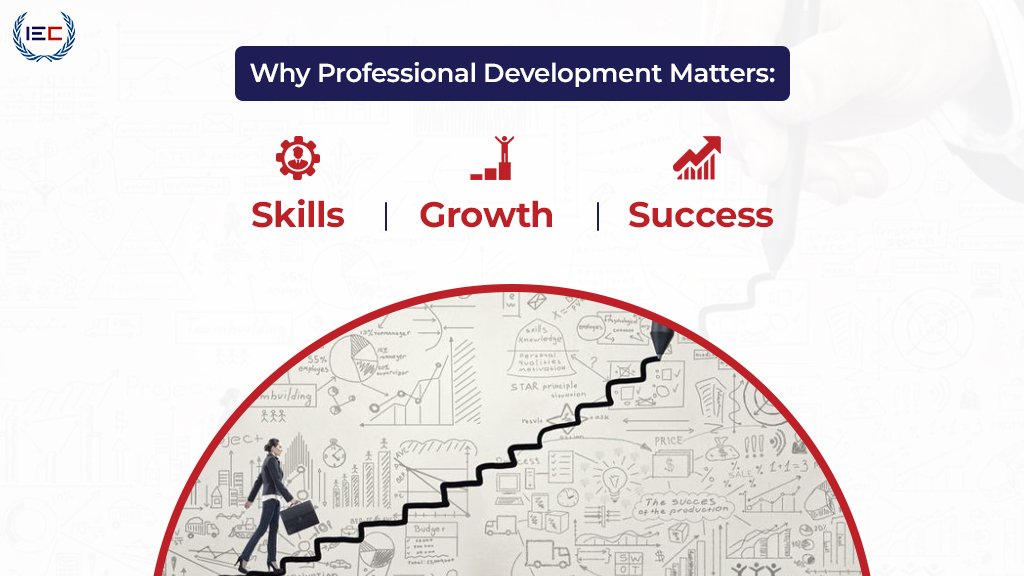
Learning cannot stop at graduation. Industries evolve, job roles change, and skills that were once valuable can quickly become outdated. This is exactly why is professional development important for individuals who want to stay relevant, grow confidently, and achieve long-term career success.
This blog explores what professional development really means, why it matters in today’s job market, the benefits it brings to individuals and organizations, and how choosing the right professional development course can shape your future.
Why Is Professional Development Important?
The question why is professional development important goes beyond promotions or salary growth. Professional development is about continuous learning that helps individuals adapt, improve, and stay competitive throughout their careers.
Professional development matters because it:
Keeps skills aligned with industry needs
Encourages lifelong learning and adaptability
Builds confidence and professional credibility
Opens doors to new career opportunities
In today’s world, learning is no longer optional, it is essential.
What Is Professional Development?
Professional development refers to the process of gaining new skills, knowledge, and competencies that enhance an individual’s career performance and growth. It includes structured learning, hands-on training, and practical skill-building aligned with professional goals.
A professional development course can focus on:
Technical and digital skills
Leadership and management abilities
Communication and workplace effectiveness
Career-specific upskilling
At its core, professional development is about preparing for the present while building for the future.
Why Professional Development Matters in a Changing Job Market
The job market today is dynamic and unpredictable. New roles emerge while traditional ones evolve or disappear. This reality highlights why is professional development important more than ever.
Professional development helps individuals:
Adapt to changing job requirements
Transition into new roles or industries
Stay competitive in crowded job markets
Respond confidently to technological change
Those who invest in learning are better prepared to navigate uncertainty
Key Benefits of Professional Development
Professional development delivers long-term value across multiple areas of a person’s career.
Skill Enhancement and Upskilling
One of the most direct benefits is skill growth. Professional development enables individuals to:
Learn new tools and technologies
Improve existing skills
Stay aligned with industry trends
This ongoing learning is closely linked with continuing professional development training, which focuses on consistent improvement over time.
Career Growth and Better Opportunities
Professional development supports:
Career progression and role advancement
Access to better job opportunities
Greater flexibility in career choices
Employers often value candidates who actively invest in their growth.
Increased Confidence and Professional Value
Learning new skills builds confidence. When individuals know they are capable and updated, they:
Communicate more effectively
Take initiative at work
Feel more secure in their professional identity
Improved Job Performance and Productivity
Professional development improves performance by:
Enhancing problem-solving abilities
Increasing efficiency and accuracy
Encouraging smarter work practices
The Role of Continuous Professional Development (CPD)
Continuous Professional Development, often referred to as CPD, emphasizes learning as an ongoing process rather than a one-time event.
Continuing professional development training focuses on:
Regular skill updates
Long-term career planning
Sustained professional growth
CPD ensures that professionals evolve alongside their industries rather than falling behind.
Professional Development vs Traditional Education
Traditional education builds foundational knowledge, while professional development focuses on practical application and real-world relevance.
Key differences include:
Traditional education is often theory-based
Professional development is skill-focused and applied
Education usually ends with a degree
Professional development continues throughout a career
This distinction helps explain why is professional development important even after formal education is complete.
Types of Professional Development Courses
There are many forms of professional development, each serving different career needs.
Technical and Digital Skills Training
These courses focus on:
Digital tools and technologies
Industry-specific technical skills
Practical, job-ready capabilities
Leadership and Management Development
Leadership-focused professional development helps individuals:
Build decision-making skills
Improve team management
Develop strategic thinking
Communication and Soft Skills Training
Soft skills play a major role in workplace success. Training in this area includes:
Communication and presentation skills
Team collaboration
Time management and adaptability
Strong soft skills complement technical expertise.
How Professional Development Helps Employers and Organizations
Professional development does not benefit individuals alone. Organizations also gain significantly.
Employers benefit through:
Higher employee productivity
Improved engagement and retention
Stronger internal talent pipelines
Better adaptability to change
This mutual value reinforces why is professional development important at both individual and organizational levels.
How to Choose the Right Professional Development Course
Selecting the right professional development course requires clarity and alignment with goals.
Consider the following:
Your current skill gaps
Your long-term career objectives
Industry relevance of the course
Practical learning and application
The right course should support growth, not just certification.
How IEC Supports Professional Development and Career Readiness
The Institute of Emerging Careers (IEC) focuses on practical, industry-aligned professional development that prepares learners for real-world challenges.
IEC supports learners by:
Offering career-focused learning paths
Emphasizing hands-on and skill-based training
Aligning courses with emerging industry needs
IEC’s approach ensures that professional development leads to career readiness, not just academic completion.
Frequently Asked Questions About Professional Development
Why is professional development important?
Professional development is important because it helps individuals stay relevant, improve performance, and grow confidently in a changing job market.
What is a professional development course?
A professional development course is a structured learning program designed to build practical skills and knowledge for career growth.
What is continuing professional development training?
Continuing professional development training focuses on ongoing learning that supports long-term professional growth and adaptability.
Final Thoughts
Understanding why is professional development important is essential in today’s competitive and evolving work environment. Careers are no longer built on a single qualification but on continuous learning, adaptability, and skill enhancement.
By investing in professional development, individuals take control of their growth, increase their value, and prepare themselves for long-term success. Whether through technical training, leadership development, or continuing professional development training, learning is the foundation of sustainable career progress.

She is a digital marketing and content writing expert with over 5 years of experience, dedicated to driving impactful results and crafting innovative strategies. As the Acquisition Lead at IEC, she oversees the application process, ensuring a seamless experience for aspiring students.
